


CLIMATIC CYCLE
To fully understand this harvest, it's essential to remember the previous one, 2022, as one of the driest in the history of RODA, with 396 mm of precipitation, and as the warmest, with a temperature integral unprecedented to date. Soil reserves were scarce, and winter rains were absent.
Budbreak was weak, with almost no previous rain. Significant frost in Cubillas, with buds about to sprout. There was virtually no rain until June, when around 100 mm of rain were collected, accompanied by hailstorms. Hailstorms affected all our vineyards, with damage ranging from 10% to 40%. Fortunately, since the hail was early, it didn't affect grape quality, although it did affect quantity.
After June, there was no rain throughout the summer, with successive heat waves. Temperatures reached over 42 degrees Celsius in the fourth wave at the end of August. It rained in September, delaying the grape harvest. Mediterranean rains entered the peninsula.
Precipitation 475 mm.
Thermal integral 1849.
Production area:
D.O.Ca.Rioja
Variety:
Mainly Viura and a small part of Malvasía de Rioja and Garnacha Blanca
Vineyards:
In the old vineyards around us, the highest and poorest parts of the vineyards were planted with Viura, with some vines of Malvasía de Rioja and Garnacha Blnca. With these grapes we have produced this RODA I Blanco
Age of the vineyards:
Old bush vines
Harvest:
Hand-picked in 16 kg crates and hand sorted at the winery
Fermentation:
Maceration in French oak vats. Fermentation in French oak vats and bocoys
Aging:
18 months in French oak bocoys and 18 months in bottle before release
Stabilisation:
Natural methods
Clarification:
Lyophilized egg white
Alcohol content:
13,5% Vol.
Packaging:
Wooden cases of 3 bottles
Formats:
Bottles of 75cl and 1,5l
Colour:
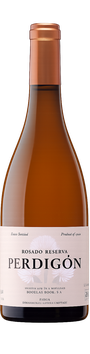
A beautiful golden-yellow colour reminiscent of wheat straw. This colour is the result of pre-fermentation skin maceration.
Nose:
Subtle aromas of grapefruit peel provide a pleasant citrus freshness. The fruit profile is marked by stone fruit, with peach particularly prominent, alongside notes of quince. A delicate floral character evokes freshly picked elderflower. Among the herbal and vegetal nuances, fresh rhubarb stands out. The aromas gradually come together to form a delicate, persistent and harmonious bouquet. The oak is beautifully integrated and, despite the wine´s long ageing period, is almost imperceptible.
Palate:
Full-bodied and remarkably fresh, with a rich, smooth texture that coats the palate. The combination of volume and lingering freshness gives the wine remarkable depth and presence. A very fine tannic structure can be perceived, defining its character and highlighting its ageing potential. The fruit profile is highly appealing, with notes of white-fleshed peach, quince and grapefruit. The finish is exceptionally long, drive by a line of freshness that persists and contrasts beautifully with the sensation of fullness left on the palate. This is a white wine with structure and complexity to accompany an entire meal, including meat dishes, cheeses and desserts.




[[ $t('ICEXNEXT_SUBTEXT_RODA_1') ]]
[[ $t('ICEXNEXT_SUBTEXT_RODA_2') ]]
